How to Find Lesser-Known Global Festivals
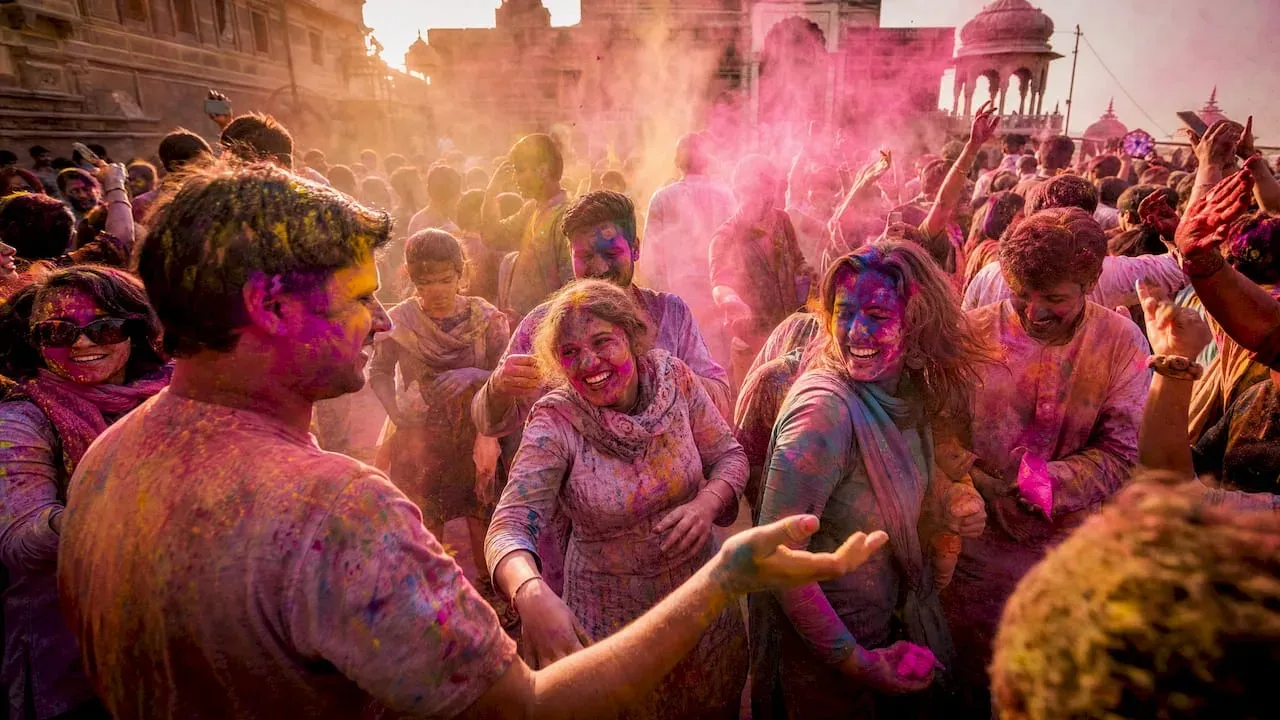
Lesser-known global festivals are authentic cultural celebrations that exist outside mainstream tourism circuits, offering travelers direct access to living traditions that most itineraries never include. If you want to find lesser-known global festivals, the best starting points are UNESCO Intangible Cultural Heritage registries, ethnic minority event calendars, and community-rooted travel resources. Festivals like Brazil’s Festival de Parintins, China’s Munao Zongge, and Prague’s Khamoro prove that the most memorable travel experiences often happen far from the crowds at Coachella or Carnival. These hidden cultural celebrations aren’t just fun. They’re windows into how communities define themselves, pass down knowledge, and mark time.
How to research and find lesser-known global festivals
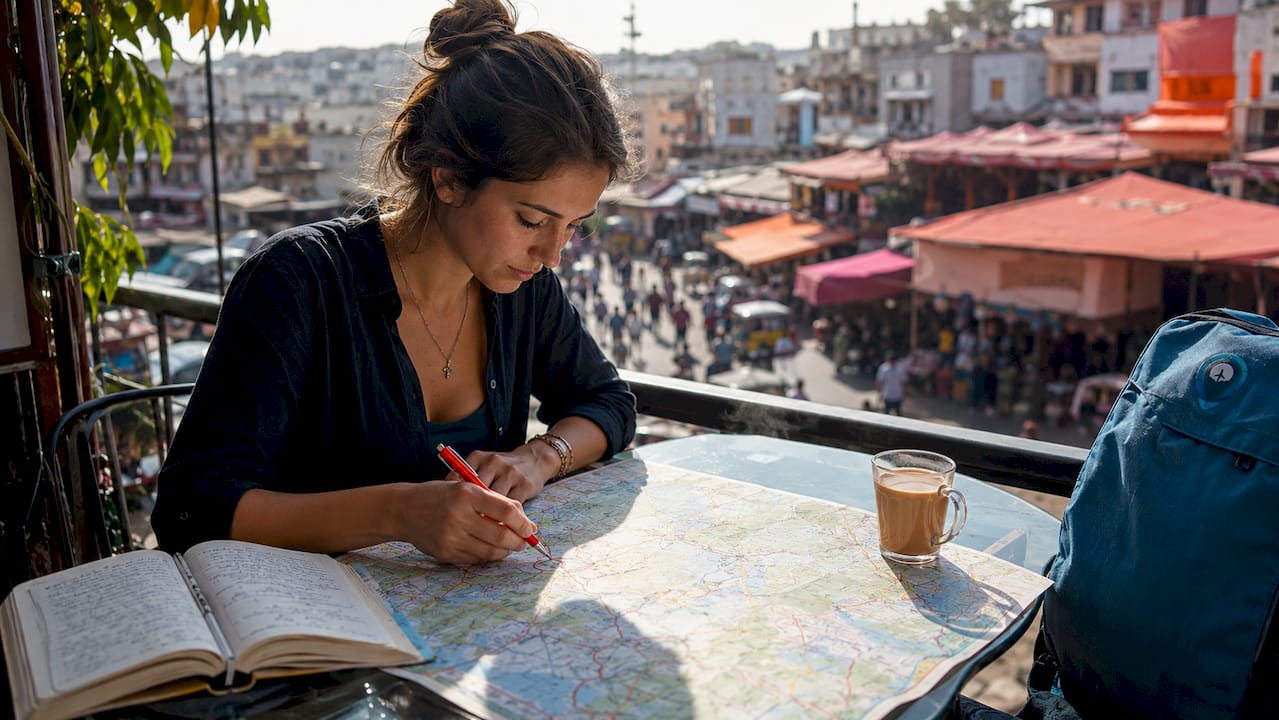
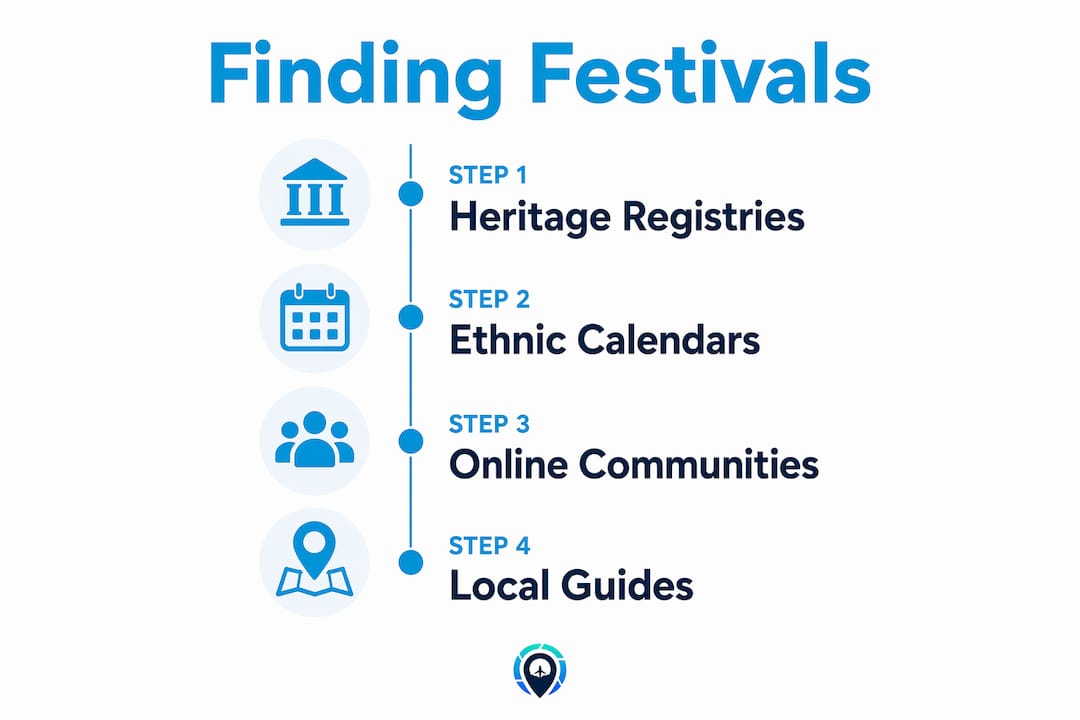
The most reliable method for finding rare cultural festivals is cross-referencing official heritage registries with local tourism boards. UNESCO’s Intangible Cultural Heritage list catalogs hundreds of living traditions across dozens of countries, many of which anchor annual festivals. That list is publicly searchable and free, which makes it one of the most underused tools in travel planning.
Beyond UNESCO, ethnic minority and indigenous community calendars are goldmines for offbeat festival destinations. China’s Dehong Prefecture, for example, publishes event schedules for Jingpo community celebrations like Munao Zongge that rarely appear in Western travel media. Nigeria’s Kebbi State tourism office promotes the Argungu Fishing and Cultural Festival, which originated in 1934 as a peace covenant between rival kingdoms. That kind of historical context is exactly what separates a genuine cultural event from a tourist performance.
Travel blogs, niche cultural websites, and local Facebook groups fill in the gaps that official sources miss. Travelingportrait’s global destinations hub covers festival highlights across regions that rarely make mainstream travel lists.
| Source | What it offers | Best for |
|---|---|---|
| UNESCO ICH Registry | Verified living traditions with cultural context | Finding heritage-certified festivals |
| Local tourism boards | Dates, logistics, and regional context | Planning and booking |
| Ethnic minority calendars | Community-specific events, often unpublicized | Discovering truly offbeat events |
| Travel blogs and niche sites | Firsthand accounts and practical tips | Filtering by traveler experience |
| Local social media groups | Real-time updates and insider access | Last-minute planning and local contacts |
Pro Tip: Search UNESCO’s ICH list by country and filter for “social practices, rituals, and festive events.” That category alone contains hundreds of festivals most travelers have never heard of.
What to expect at uncommon global events: culture and participation
Attending unusual festivals around the world is not the same as attending a ticketed music event. Many of these celebrations are community rituals first and public spectacles second. Understanding that distinction changes everything about how you show up.
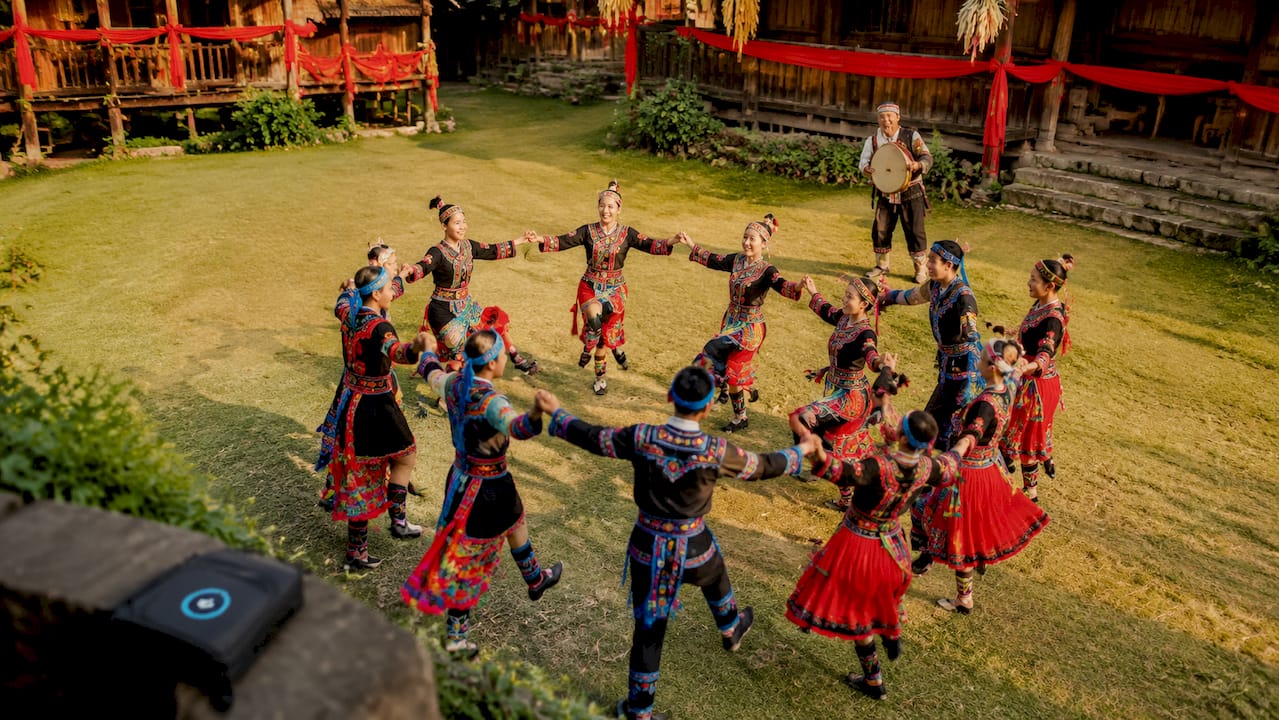
Munao Zongge , the grand festival of the Jingpo people in Yunnan, China, is a perfect example. The ceremony involves mass collective dance and ritual, with participants from both China and Myanmar. Foreign visitors are generally welcome to join the outer rings of the dance. The core ritual areas, however, remain reserved for community members. That layered structure is common across many lesser-known traditional events, and respecting it is what separates a meaningful experience from an intrusive one.
The Khamoro Festival in Prague takes a different approach. As the world’s largest professional Romani festival , it pairs traditional music with exhibitions, storytelling, and cultural programming. That mix of authentic expression and public engagement makes it accessible to general audiences without diluting its cultural integrity. Khamoro has been running since 1999 and draws around 10,000 visitors annually.
Authentic festival experience depends on understanding how cultural transmission works in each community. Some festivals transmit knowledge through performance, others through shared labor or ritual. Watching without understanding the transmission mode means missing the point entirely.
- Research the festival’s origin story before you arrive. Knowing why a festival exists changes how you observe it.
- Learn five to ten words in the local language. Even basic greetings signal respect and open doors.
- Ask local guides or community liaisons about participation boundaries. Never assume access.
- Dress appropriately for the cultural context. Many festivals involve sacred elements that require modest or specific attire.
- Prioritize immersive travel experiences over photo opportunities. Put the camera down during rituals unless explicitly invited to shoot.
Pro Tip: Treat lesser-known festivals as living cultural practices rather than UNESCO labels. International recognition is helpful for research, but the real value is in the community’s ongoing relationship with the tradition.
Comparing unique international festivals: four standout examples
The range of exotic festival experiences available globally is genuinely staggering. These four festivals illustrate how different scale, style, and cultural context can be across uncommon global events.
Festival de Parintins takes place on a river island in the Brazilian Amazon each june. It draws about 120,000 tourists and injects over R$220 million into the local economy. The festival centers on a theatrical competition between two rival ox allegory groups, the Garantido and the Caprichoso, performed inside a stadium called the Bumbódromo. The scale of the costumes, floats, and choreography rivals anything in Rio de Janeiro’s Carnival, yet most international travelers have never heard of it.
The Argungu Fishing and Cultural Festival in Nigeria’s Kebbi State is recognized by UNESCO and represents a cultural covenant linking sport, ritual, and communal identity. Thousands of fishermen enter the Matan Fada River simultaneously at the sound of a horn, competing to catch the largest fish by hand. The event has served as a diplomatic tool between communities since its founding in 1934.
| Festival | Location | Participation style | Duration | Cultural context |
|---|---|---|---|---|
| Festival de Parintins | Parintins, Brazil | Spectator and community | 3 days (june) | Amazonian folklore, ox allegory rivalry |
| Munao Zongge | Dehong, Yunnan, China | Participatory ritual | 3–5 days (january) | Jingpo ethnic minority, collective dance |
| Khamoro | Prague, Czech Republic | Open public attendance | 5 days (may/june) | Romani music, arts, and cultural heritage |
| Argungu Fishing Festival | Kebbi State, Nigeria | Community and spectator | 4 days (february/march) | UNESCO heritage, fishing ritual, diplomacy |
Khamoro stands apart because it features 280 bands from 40 countries, making it both a local cultural anchor and an international showcase. That combination of diaspora engagement and public programming is a model other rare cultural festivals are starting to adopt.
Planning your trip to offbeat festival destinations
Good logistics are what separate a great festival trip from a stressful one. Lesser-known festivals often lack the tourist infrastructure that mainstream events take for granted, so preparation matters more, not less.
- Book accommodation at least three to six months in advance. Festival de Parintins is a clear example. The island of Parintins has limited local infrastructure, and accommodation prices spike sharply during the festival period. Many travelers end up sleeping on boats or in overflow housing if they wait too long.
- Arrange transport before you land. Remote festival locations like Dehong Prefecture in Yunnan or Kebbi State in Nigeria require multi-leg journeys. Domestic flights, river boats, and shared minibuses all need to be confirmed ahead of time.
- Contact the local tourism board directly. They often have festival-specific travel packages, guided tour contacts, and safety advisories that don’t appear on general booking platforms.
- Learn the visa and entry requirements early. Some festival destinations in China, Nigeria, and parts of South America require visas that take weeks to process.
- Pack for limited access. Remote festivals rarely have ATMs, pharmacies, or English-language signage nearby. Cash in local currency, basic medical supplies, and offline maps are non-negotiable.
- Build buffer days into your itinerary. A solid travel itinerary always includes arrival and departure buffer days. Delays are common when traveling to less-touristed locations.
Pro Tip: Join a local Facebook group or WhatsApp community for the festival at least two months before you go. Locals share real-time updates on transport, weather, and schedule changes that no travel app will catch.
Key Takeaways
The most authentic and memorable festival experiences come from lesser-known community-rooted celebrations that require deliberate research, cultural respect, and early logistical planning.
| Point | Details |
|---|---|
| Start with heritage registries | UNESCO’s ICH list and ethnic minority calendars reveal festivals most travelers never find. |
| Respect participation boundaries | Many festivals have layered access; core rituals are often reserved for community members. |
| Book early for large festivals | Parintins draws 120,000 tourists and has limited infrastructure, so plan months ahead. |
| Treat festivals as living traditions | Cultural value comes from the community’s ongoing practice, not just official recognition. |
| Prepare for limited infrastructure | Remote festival locations require cash, offline maps, and confirmed transport in advance. |
Why I think the best festivals are the ones nobody’s Instagramming
I’ve been to festivals with 100,000 people and festivals with 100. The ones I still think about are almost always the smaller, stranger, harder-to-reach ones. There’s something that happens when you’re the only outsider in a crowd of people who’ve been doing this same ritual for generations. You stop being a tourist and start being a witness to something real.
The commercial festival circuit is fun. I’m not going to pretend otherwise. But those events are designed for you. They’re built around your comfort, your phone signal, your need for a clean restroom. Lesser-known festivals are not designed for you at all. That’s exactly what makes them worth the effort.
What I’ve learned after years of chasing these events is that the research phase is half the experience. Digging into the history of the Argungu Fishing Festival, understanding why Munao Zongge involves participants from two countries, figuring out how the Garantido and Caprichoso rivalry at Parintins mirrors deeper social dynamics in the Amazon. That context turns a spectacle into a story. And stories are what you actually bring home.
My honest advice: don’t wait until you find the “perfect” lesser-known festival before you go. Pick one that genuinely interests you, do the research, show up with humility, and let the experience be what it is. You’ll come back a better traveler for it. Check out Travelingportrait’s adventure travel guide if you want a framework for thinking about this kind of travel more broadly.
— Justin
Travelingportrait’s resources for unique festival travel
Travelingportrait covers the kind of travel that doesn’t fit neatly into a package tour. If you’re serious about attending rare cultural festivals, the site’s destination guides go deep on regional context, local logistics, and the kind of cultural nuance that makes or breaks a trip.
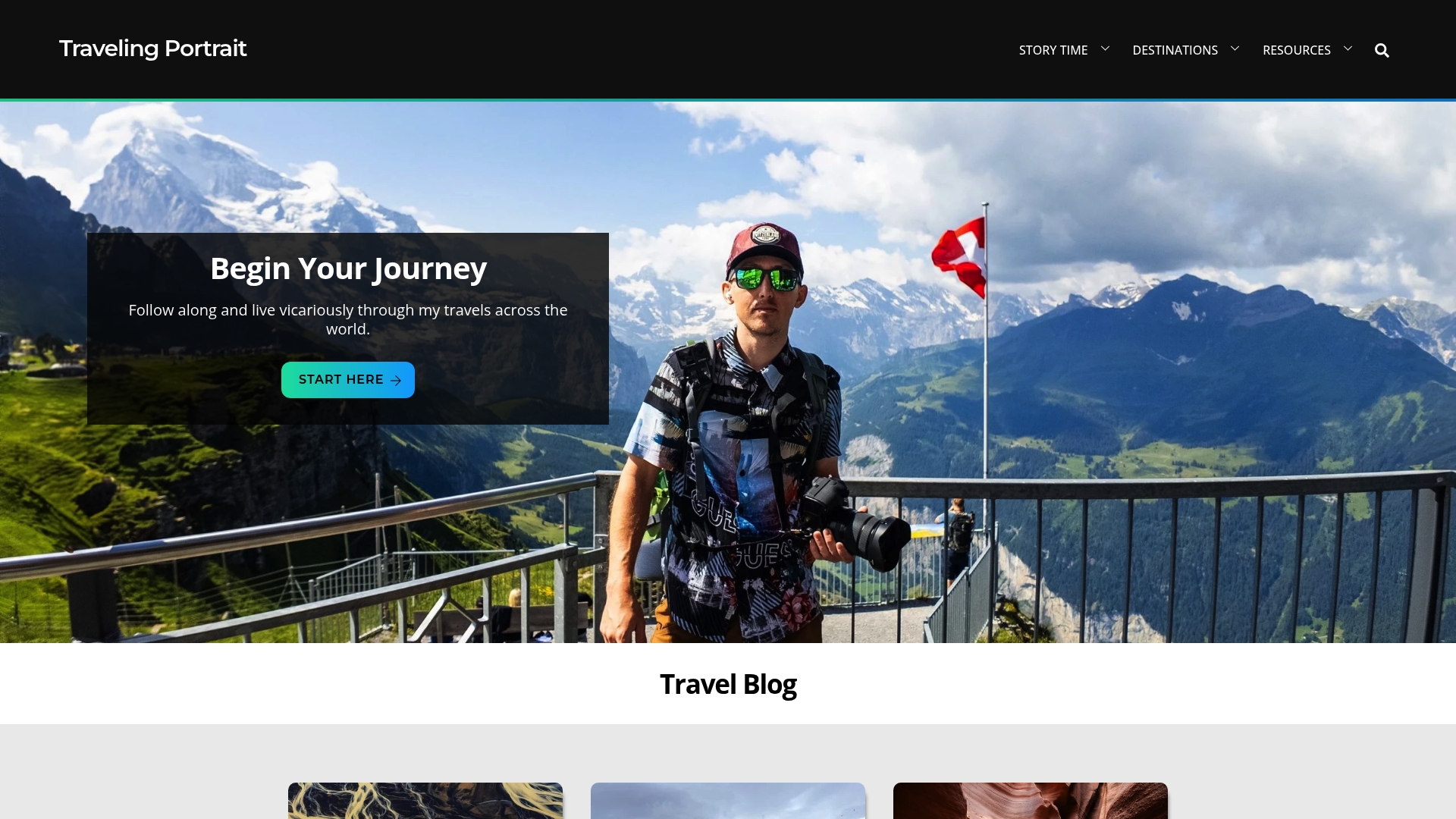
The travel photography workshop is worth a look if you want to capture festival moments without being that person with a camera in everyone’s face. It covers the ethics and technique of shooting in culturally sensitive environments, which is genuinely useful for the kinds of festivals covered here. For destination-specific festival planning, the Asia destinations guide and Europe destinations guide both include festival coverage that goes well beyond the obvious picks.
FAQ
What makes a festival “lesser-known” compared to mainstream ones?
A lesser-known festival is one that draws primarily community participants rather than international tourists and lacks major commercial sponsorship or global media coverage. Events like Munao Zongge and Argungu are well-known within their regions but rarely appear on mainstream travel itineraries.
How do I find the dates for rare cultural festivals?
Check UNESCO’s Intangible Cultural Heritage registry, local tourism board websites, and ethnic minority community calendars for verified dates. For real-time updates, local social media groups often post schedule changes weeks before official sources do.
Is it respectful for outsiders to attend community-based festivals?
Most lesser-known festivals welcome respectful visitors, but participation is often layered. At Munao Zongge, for example, foreign visitors join outer rings of the ritual while core ceremonial areas remain reserved for community members.
How far in advance should I book for a festival like Parintins?
Book accommodation and transport at least three to six months ahead. Parintins has limited infrastructure for its 120,000 annual visitors, and prices spike sharply as the festival date approaches.
Do I need to speak the local language to enjoy these festivals?
Fluency isn’t required, but learning basic greetings and culturally relevant phrases makes a real difference. Many festivals have local guides or cultural liaisons who speak English and can provide context that transforms the experience.
Recommended
Other Posts You Might Like