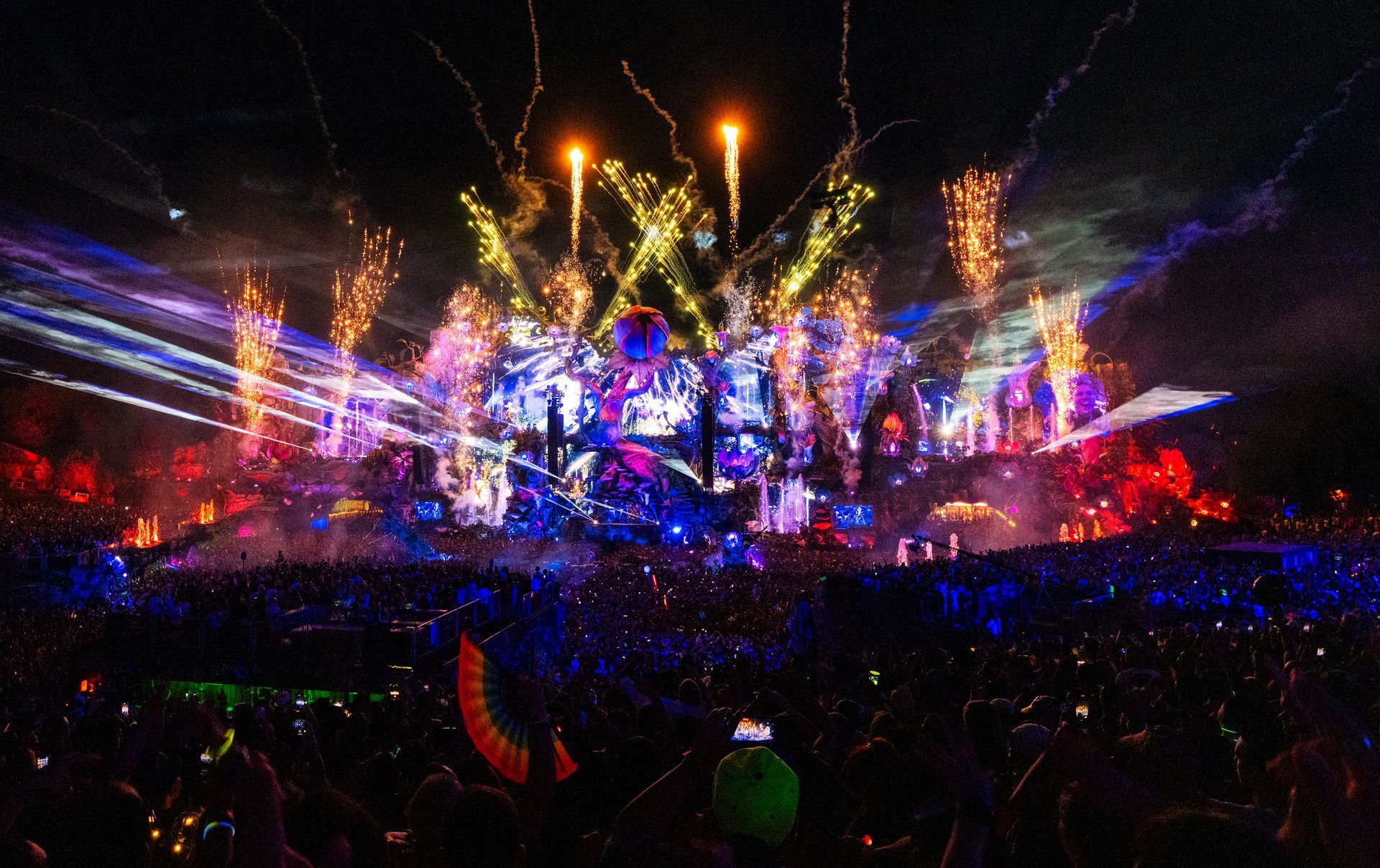

What Is a Cultural Festival? Meaning and Global Significance
A cultural festival is a structured event celebrating the traditions, values, and shared heritage of a community, bringing people together through food, music, dance, art, and ritual. These events are far more than parties or public gatherings. They’re living expressions of identity, and they’ve been shaping communities since long before Woodstock made the music festival a modern institution. Whether you’re watching the Holi powder clouds burst over a crowd in India, joining a Día de los Muertos procession in Mexico, or dancing at a street carnival in New Orleans, you’re participating in something that preserves cultural identity across generations. This guide breaks down what cultural celebrations actually are, why they matter so deeply, and how you can experience them the right way.
What is a cultural festival and why does it exist?
A cultural festival is defined as a community event organized around the shared expression of cultural identity through performance, food, art, and tradition. The term “cultural celebration” is often used interchangeably, but scholars tend to use “cultural festival” specifically for events with structured programming and a clear communal purpose. Both terms describe the same core phenomenon: people gathering to honor who they are and where they come from.
These events exist because culture needs a stage. Traditions passed down through families can fade without public reinforcement. Festivals give those traditions a time, a place, and an audience. The Lunar New Year celebrations held across East and Southeast Asia, for example, aren’t just colorful spectacles. They reinforce family bonds, honor ancestors, and transmit specific customs to younger generations who might otherwise lose touch with them.

The common elements you’ll find at nearly every cultural festival worldwide include communal meals featuring traditional cuisine, live music and dance rooted in local heritage, visual art and craft displays, and ceremonial or religious rituals. Some festivals center on a single element, like the Cannes Film Festival’s focus on cinema as a cultural art form. Others, like the Edinburgh Festival Fringe in Scotland, layer theater, comedy, music, and visual art into one massive celebration of creative culture.
Why are cultural festivals significant in communities worldwide?
Cultural festivals function as social infrastructure. Urban festivals enhance cohesion year-round, not just on the days they run. That’s a meaningful distinction. A festival doesn’t end when the last performer leaves the stage. Its effects ripple outward into neighborhoods, schools, and local economies for months afterward.
Here’s what makes them genuinely significant:
- Preservation of heritage. Festivals keep traditions alive that might otherwise disappear. The Smithsonian Folklife Festival in Washington, D.C., has documented and celebrated endangered cultural practices from dozens of countries since 1967.
- Community bonding. Shared experiences create social trust. When neighbors celebrate together, they build the kind of relationships that hold communities together during harder times.
- Emotional wellness. Belonging to something larger than yourself has real psychological benefits. Festivals provide that sense of collective identity in a concrete, felt way.
- Intercultural respect. Festivals open doors. When you attend a Diwali celebration as an outsider, you leave with a richer understanding of Hindu culture than any textbook can provide.
“Festivals act as cultural anchors, supporting generational identity continuity and community belonging.” — Why Cultural Festivals Matter
The significance of cultural festivals also shows up in what they prevent. Communities without strong cultural traditions tend to experience higher rates of social disconnection. Festivals counter that by giving people a shared calendar, shared rituals, and shared memories.

What are the main types of cultural festivals?
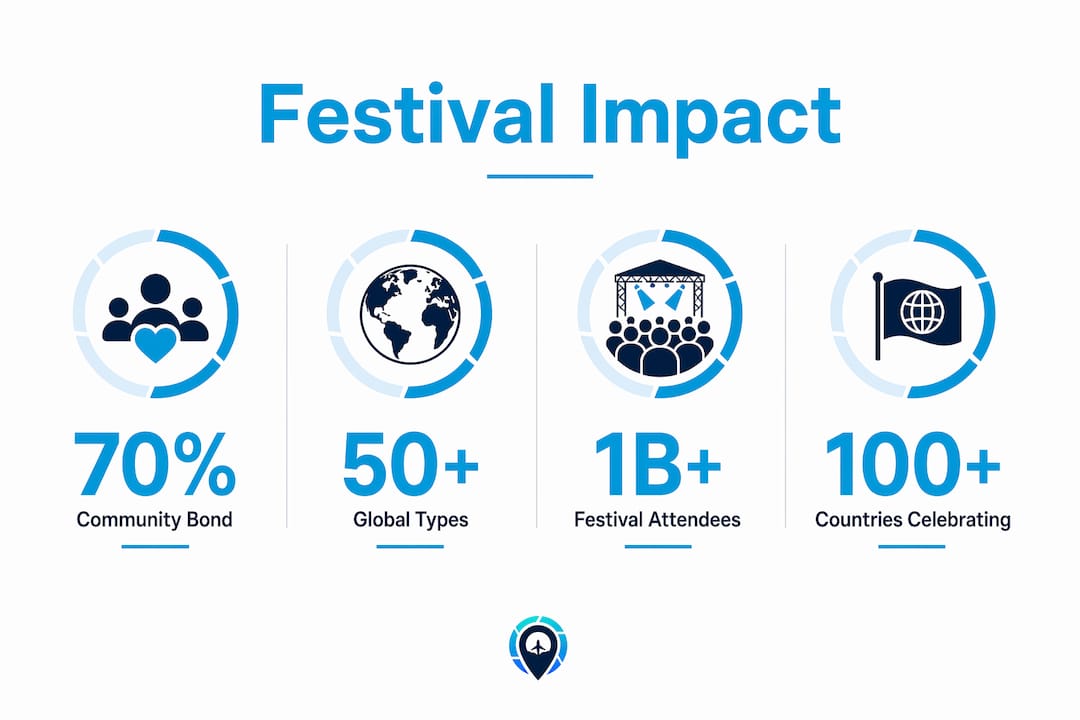
Cultural festivals come in more varieties than most people realize. Understanding the different types helps you appreciate what each one is actually doing and what to expect when you attend.
| Festival Type | Primary Focus | Global Examples |
|---|---|---|
| Music Festivals | Live performance and sonic heritage | Tomorrowland (Belgium), Coachella (USA), Fuji Rock (Japan) |
| Religious Festivals | Spiritual observance and ritual | Diwali (India), Eid al-Fitr (global), Semana Santa (Spain) |
| Harvest Festivals | Agricultural cycles and gratitude | Thanksgiving (USA), Onam (India), Erntedankfest (Germany) |
| Art and Dance Festivals | Visual and performing arts | Edinburgh Fringe (Scotland), Carnival (Brazil), Albuquerque Balloon Festival (USA) |
| Multicultural Festivals | Cross-cultural exchange and inclusion | Notting Hill Carnival (UK), Toronto Caribbean Carnival (Canada) |
Music festivals deserve special mention because they carry a deeper social function than their entertainment reputation suggests. Modern music festivals descend from historic roots like Woodstock but perform ancient social rituals that are fundamental to cultural identity and well-being. They offer physical gathering spaces that matter more than ever in an increasingly digital world.
Religious festivals are the most globally widespread type. Eid al-Fitr is celebrated by over a billion Muslims across more than 180 countries. Diwali lights up cities from Mumbai to Leicester to Sydney. These events don’t just mark dates on a calendar. They synchronize entire communities around shared meaning.
Pro Tip: If you’re attending a religious or harvest festival as an outsider, research the specific customs beforehand. Knowing whether to remove your shoes, cover your head, or avoid certain foods shows respect and gets you a much warmer welcome from locals.

How do cultural festivals foster intercultural understanding?
Multicultural festivals engage themes of minority belonging, urban renewal, and sensory experience in ways that purely academic or political conversations rarely achieve. That’s the power of lived cultural exchange. You can read about another culture for years and still not understand it the way one afternoon at a well-run cultural festival can teach you.
Festivals break stereotypes by replacing abstract ideas about “other cultures” with real people, real food, real music, and real stories. When you try jerk chicken at a Caribbean festival in Brooklyn or watch a traditional Taiko drumming performance at a Japanese cultural fair in Los Angeles, you’re building a mental model of that culture that’s grounded in experience rather than assumption.
The intercultural benefits extend beyond individual attendees:
- Festivals attract international tourism, which creates economic incentives for communities to share and celebrate their culture publicly.
- They create platforms for minority communities to present their own narratives rather than having their culture described by outsiders.
- They encourage dialogue between generations within a community, as elders teach younger members the significance of specific traditions in a public setting.
- They support cultural tourism benefits that flow back into local economies and heritage preservation programs.
The role of festivals in tourism is substantial. Cities like New Orleans, Rio de Janeiro, and Kyoto have built significant parts of their global identity around their signature cultural festivals. Mardi Gras alone draws over a million visitors to New Orleans annually. That kind of cultural magnetism shapes how the world perceives an entire city and its people.
What practical tips help you attend cultural festivals well?
Attending a cultural festival well takes a bit of planning. Here’s how to do it right:
- Time your trip around festival season. The main festival season in the Northern Hemisphere runs from late April to early September. That concentration means high demand for accommodations, tickets, and gear. Book early or pay more.
- Protect yourself from the elements. Outdoor festivals are physically demanding. Reapply broad-spectrum sunscreen with SPF 30 every two hours. Drink water consistently, not just when you feel thirsty.
- Dress for function, not just fashion. Seasoned festival attendees prioritize breathable fabrics, supportive shoes, and ear protection over style. Your feet will thank you on day two.
- Pace yourself. Heat and dehydration are the top causes of medical visits at festivals. Build in rest time, find shade, and don’t try to see everything in one go.
- Research cultural etiquette. Some festivals involve sacred rituals. Knowing what’s appropriate to photograph, what to wear, and how to behave shows respect and deepens your experience.
- Secure logistics early. Peak season supply crunches affect everything from campsites to rental gear. Experienced attendees lock in arrangements months ahead to avoid sell-outs and price spikes.
Pro Tip: If you want a more authentic experience, look into volunteer and work exchange opportunities at cultural festivals. Working behind the scenes gives you access and perspective that ticket-holding attendees never get.
Understanding how culture shapes travel also helps you approach festivals with the right mindset. The goal isn’t to consume a culture like a tourist attraction. It’s to participate in it with genuine curiosity and respect.
Key takeaways
Cultural festivals are structured community events that preserve heritage, build social bonds, and promote intercultural understanding across every region of the world.
| Point | Details |
|---|---|
| Core definition | A cultural festival celebrates shared traditions, values, and heritage through food, music, art, and ritual. |
| Social significance | Festivals function as social infrastructure, strengthening community cohesion well beyond the event itself. |
| Festival types | Major types include music, religious, harvest, art, and multicultural festivals, each with distinct purposes. |
| Intercultural value | Attending festivals from other cultures builds empathy and breaks stereotypes through direct lived experience. |
| Practical planning | Book accommodations and tickets early, especially for Northern Hemisphere festivals between late April and September. |

Why festivals are still the most honest form of cultural exchange
I’ve been to a lot of festivals across a lot of countries, and I’ll tell you something that doesn’t get said enough: no travel experience teaches you more about a place in less time than showing up for its biggest cultural celebration. You can spend a week in a city visiting museums and still feel like an outsider. Show up for the right festival and you’ll feel like you belong within an hour.
What I find genuinely moving about cultural festivals is how stubbornly human they are. In a world where so much of our social life has moved online, festivals insist on physical presence. They say: you have to be here, in this body, in this crowd, eating this food, hearing this music live. That insistence feels radical now, and I think it’s why festivals keep growing in attendance and cultural relevance rather than shrinking.
The one thing I’d push back on is the idea that festivals are purely celebratory. Some of the most powerful ones I’ve attended carry grief alongside joy. Day of the Dead in Oaxaca, Mexico, is technically a festival, but it’s also a community-wide act of mourning and remembrance. That complexity is what makes it unforgettable. The best cultural festivals don’t just show you the highlight reel of a culture. They show you the whole story.
If you’re planning to attend one, go in with curiosity rather than a checklist. The moments that stay with you are rarely the ones you planned for.
— Justin
Plan your next cultural festival adventure with Travelingportrait
Ready to experience a cultural festival firsthand? Travelingportrait has you covered with destination guides built for travelers who want more than just a photo op.

Whether you’re drawn to the lantern festivals of Asia’s cultural heartlands or the centuries-old carnivals and folk traditions across European destinations , Travelingportrait’s guides give you the context, logistics, and photography tips to make every festival moment count. Check out the travel photography workshop to sharpen your skills before you go, and browse the travel gear recommendations to pack smart for any festival season. Your most memorable trip is one well-planned festival away.
FAQ
What is a cultural festival in simple terms?
A cultural festival is a structured public event where a community celebrates its traditions, heritage, and shared identity through activities like music, dance, food, and art. These events serve both social and cultural functions, preserving customs across generations.
What does festival culture mean?
Festival culture refers to the values, behaviors, and social norms that develop around recurring festival events. It includes the shared rituals, community spirit, and collective identity that participants build over time through repeated attendance and participation.
What does festival season mean?
Festival season refers to the peak period when most outdoor cultural and music festivals take place. In the Northern Hemisphere, this runs from late April to early September, creating high demand for tickets, accommodations, and event logistics.
What are some well-known cultural festival examples?
Well-known examples include Diwali (India), Carnival (Brazil), Mardi Gras (USA), Tomorrowland (Belgium), the Edinburgh Festival Fringe (Scotland), and Lunar New Year celebrations across East and Southeast Asia. Each represents a distinct type of cultural celebration tied to specific heritage and community identity.
Why are cultural festivals important?
Cultural festivals preserve heritage, strengthen community bonds, and promote intercultural understanding. Research confirms that urban cultural festivals function as social infrastructure, contributing to social cohesion well beyond the event days themselves.
Recommended
Other Posts You Might Like