

A bucket list adventure trip is a deliberately chosen, once-in-a-lifetime travel experience built around your deepest personal goals rather than convenience or habit. When you plan a bucket list adventure trip with intention, the difference between a forgettable vacation and a genuinely transformative journey comes down to one thing: starting with purpose, not a destination. Whether you’re dreaming of trekking Patagonia, photographing the temples of Kyoto, or road-tripping through Iceland in a camper van, the planning process is what separates a dream from a memory. Tools like GetYourGuide, travel blogs like Travelingportrait, and structured travel checklists make that process far less overwhelming than it sounds.
How to plan a bucket list adventure trip: start with purpose
Most people open Google Maps and start pinning destinations. That’s actually the wrong move. Travel expert Kelly Tolliday argues that starting with your needs rather than a destination reduces decision fatigue and leads to far more fulfilling experiences. Ask yourself one honest question first: “What do I need right now?” The answer shapes everything.
Your adventure purpose usually falls into one of three categories:
- Physical challenge: High-adrenaline experiences like mountaineering in Nepal, white-water rafting the Zambezi River, or cycling the Camino de Santiago.
- Cultural immersion: Slow travel through Japan’s rural villages, Morocco’s medinas, or Peru’s Sacred Valley with local guides and home-stay accommodations.
- Nature and wildlife: Witnessing the Great Migration in the Serengeti, chasing the Northern Lights in Norway, or exploring the slot canyons of Arizona.
Once you know your purpose, destination selection becomes obvious rather than overwhelming. Experts also prioritize physically demanding adventures earlier in life, given mobility changes over time and real-world pressures like climate change affecting access to glaciers, coral reefs, and remote wilderness areas. If summiting Kilimanjaro or diving the Great Barrier Reef is on your list, now is genuinely better than later.
Pro Tip: Browse Travelingportrait’s adventure destinations to cross-reference your purpose with real destination guides written by travelers who’ve actually been there.
What does a good adventure travel itinerary look like?
Once you’ve locked in your purpose and destination, the itinerary is where most people either nail it or burn out. The most effective structure for adventure travel is the hub-and-spoke model. You pick one central base, say Chiang Mai in Thailand or Lisbon in Portugal, and radiate out for day trips and overnight excursions from there. Grouping activities geographically prevents wasted transit time, reduces stress, and keeps your daily energy levels manageable. Nobody wants to spend four hours on buses between every activity.

Here’s a practical step-by-step approach to building your itinerary:
- List your non-negotiables first. Write down the three to five experiences you absolutely cannot miss. These anchor your schedule.
- Research using recent sources. Travel blogs, Reddit’s r/solotravel, and Instagram geotags from the last six months reveal what’s actually open, crowded, or worth skipping right now.
- Book high-demand activities immediately. Pre-booking tours and tickets online saves hours of queuing and guarantees access to sold-out experiences like the Uffizi Gallery in Florence or Machu Picchu permits.
- Build in unplanned days. Leave at least one full day per week completely open. The best travel moments are rarely scheduled.
- Group by neighborhood or region. If you’re in Tokyo, spend two full days in Shinjuku and Shibuya before moving to Asakusa and Ueno. Don’t zigzag.
“Flexibility isn’t a lack of planning. It’s the most advanced form of it.” Travel planners consistently find that flexible, neighborhood-grouped scheduling produces more relaxed, spontaneous, and memorable trips than rigid minute-by-minute itineraries.
One underrated tip: book independent, locally owned tour operators wherever possible. Local operators create more culturally authentic experiences than large international chains, and your money stays in the community. For Asia itinerary planning , Travelingportrait has detailed regional guides that highlight exactly these kinds of operators.
How do you budget realistically for a bucket list trip?
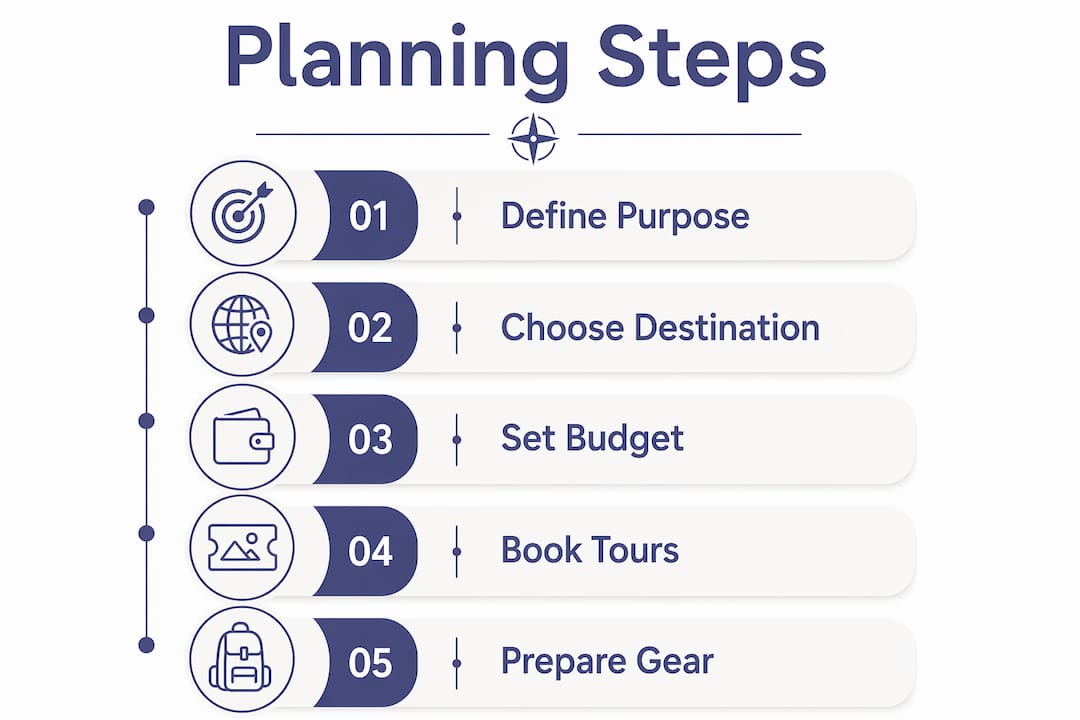
Budget planning is where most first-time adventure travelers underestimate badly. A realistic budget for a bucket list adventure trip breaks down into five core categories: flights, accommodations, food, activities, and travel insurance. Detailed category budgeting gives you transparency and control rather than a vague lump sum that disappears before week two.
Here’s a comparison of typical cost ranges for two common adventure trip styles:
| Category | Budget Adventure (Southeast Asia) | Mid-Range Adventure (Europe) |
|---|---|---|
| Flights (round trip) | $600 to $900 | $800 to $1,400 |
| Accommodation (per night) | $15 to $40 | $80 to $180 |
| Food (per day) | $15 to $30 | $40 to $80 |
| Activities (total trip) | $200 to $500 | $500 to $1,200 |
| Travel insurance | $80 to $150 | $100 to $200 |
Beyond these categories, always add a 15% contingency buffer on top of your total. That buffer covers a missed connection in Istanbul, a spontaneous cooking class in Oaxaca, or a medical visit you didn’t plan for. Skipping it is the single most common budgeting mistake adventure travelers make.
Pro Tip: Factor in specialized travel gear costs early. A quality waterproof pack, trekking poles, or a travel camera can add $300 to $800 to your pre-trip spend, but they pay off across dozens of future trips.
For money management abroad, use a no-foreign-transaction-fee card like Charles Schwab’s debit card or Wise for currency conversion. Avoid airport currency exchange booths, which consistently offer the worst rates.

What’s on the essential bucket list trip planning checklist?
Logistics are the unglamorous backbone of every great adventure trip. Starting your planning 6 to 12 months ahead secures better flight prices, gives you time to process visas, and locks in permits for high-demand destinations like Everest Base Camp or the Inca Trail. Waiting until two months out for these items is a recipe for stress and disappointment.
Your bucket list trip planning checklist should work in phases:
6 to 12 months out:
- Research visa requirements and apply early
- Book international flights
- Secure permits for trekking routes, national parks, or restricted sites
- Purchase travel insurance (do this before any non-refundable bookings)
2 to 3 months out:
- Book accommodations for the first and last nights at minimum
- Reserve high-demand tours and skip-the-line tickets
- Begin building your packing list based on activities and climate
2 to 4 weeks out:
- Confirm all bookings and download offline maps via Google Maps or Maps.me
- Use digital backups for all travel documents: passport, visa, insurance, and hotel confirmations stored in Google Drive or Dropbox
- Notify your bank of travel dates
24 hours before departure:
- Charge all devices and download entertainment for flights
- Pack specialized gear for your adventure type rather than extra clothing. Packing light for adventure travel means hiking boots, waterproof layers, and a first-aid kit rather than a second pair of jeans.
- Confirm airport transfer and check-in details
More than 60% of travelers forget at least one critical item before departure. A dynamic, phased checklist like this one is the simplest way to avoid being that person who realizes their travel adapter is still on the kitchen counter. Travelingportrait’s travel gear guides are a solid reference for building your adventure-specific packing list.
Key takeaways
A bucket list adventure trip succeeds when you start with personal purpose, plan logistics 6 to 12 months ahead, and build financial and itinerary flexibility into every stage.
| Point | Details |
|---|---|
| Start with purpose, not destination | Ask “what do I need right now?” before choosing where to go. |
| Use a hub-and-spoke itinerary | Group activities geographically to cut transit time and protect your energy. |
| Budget by category with a 15% buffer | Break costs into flights, food, gear, and insurance, then add 15% for surprises. |
| Plan 6 to 12 months ahead | Secure visas, permits, and flights early for better prices and availability. |
| Use digital document backups | Store passport, insurance, and booking confirmations in cloud storage before you leave. |
Why I think most bucket list trips fail before they start
Here’s my honest take after years of adventure travel and documenting trips through Travelingportrait: most people plan the destination and forget to plan the experience. They book flights to Bali or Patagonia because it looks incredible on Instagram, and then arrive with no real sense of what they actually want to feel or do there. The trip ends up being a highlight reel of other people’s ideas rather than something genuinely theirs.
The trips that actually changed me were the ones where I started with a question rather than a pin on a map. One of the most memorable was a slow week in rural Japan with zero agenda beyond eating well and getting lost on foot. No skip-the-line tickets. No Instagram spots. Just a purpose: disconnection. That clarity made every decision easier and every moment richer.
I’ve also learned the hard way that over-scheduling kills adventure travel. Leaving white space in your itinerary isn’t laziness. It’s where the actual magic happens. The unexpected conversation with a local chef, the detour to a waterfall not in any guidebook, the afternoon you spend doing absolutely nothing in a piazza in Bologna. Those are the moments you’ll talk about for years.
My advice: treat your bucket list trip planning checklist as a foundation, not a script. Get the logistics right, yes. But then let the trip breathe.
— Justin
Ready to start planning your next adventure?
Travelingportrait is built for exactly this kind of trip planning. Whether you’re drawn to the ancient temples of Asia, the dramatic coastlines of Europe , or the wild open spaces of North America , you’ll find firsthand destination guides, gear recommendations, and real travel stories that go well beyond the typical tourist trail.
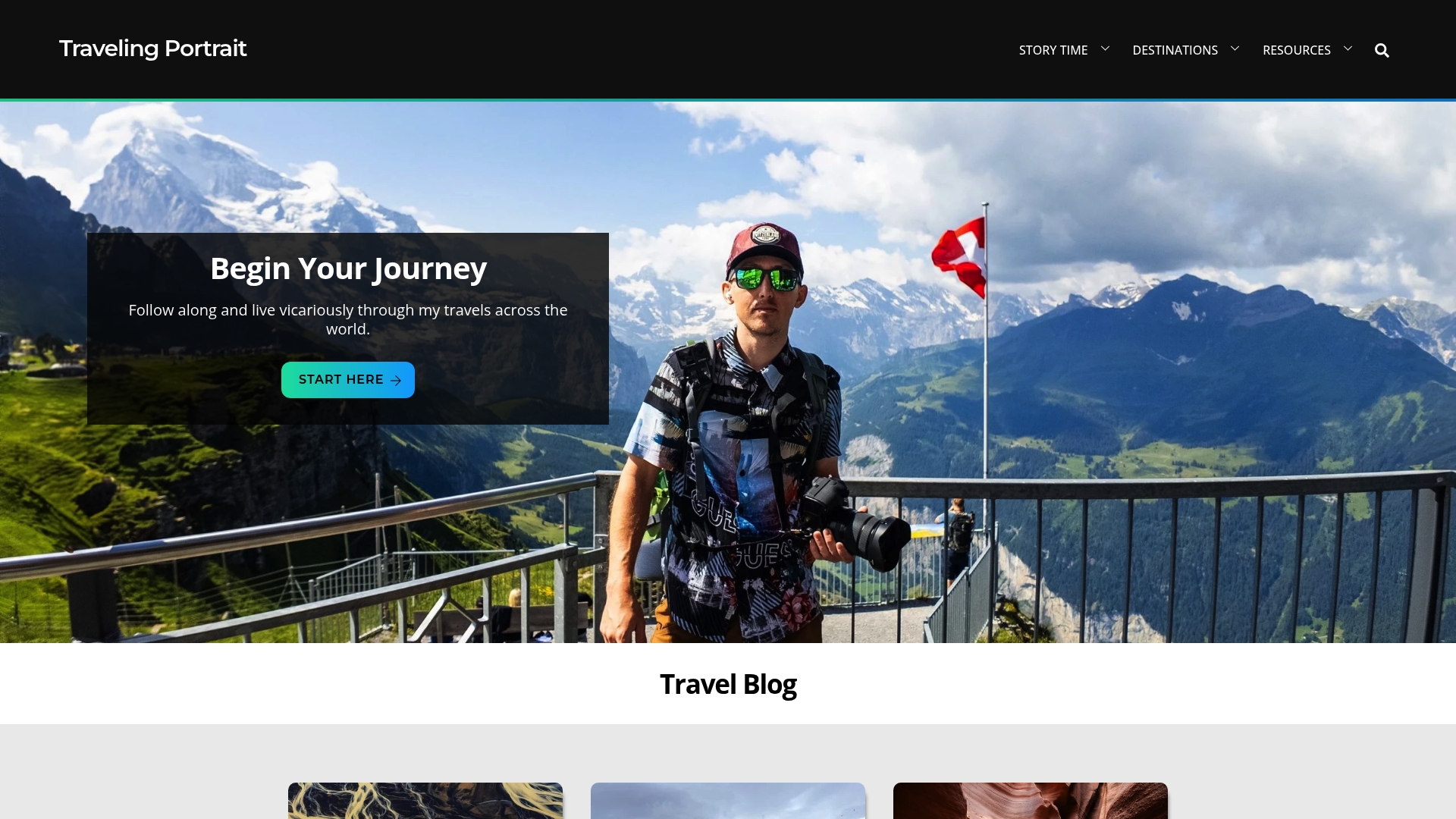
And if you want to bring your adventure memories home in a way that actually does them justice, Travelingportrait’s travel photography workshop teaches you to shoot like a pro in the field, no studio experience required. Browse all bucket list destinations and start building the trip that’s been living in your head rent-free for way too long.
FAQ
How far in advance should I plan a bucket list trip?
Start planning 6 to 12 months ahead for international bucket list adventures. This timeline covers visa applications, permit bookings, and flight reservations at the best prices.
What’s the most important first step in adventure trip planning?
Define your travel purpose before choosing a destination. Travel expert Kelly Tolliday recommends asking “what do I need right now?” to clarify whether you’re seeking challenge, cultural connection, or nature immersion.
How much of a financial buffer should I include in my travel budget?
Add a 15% buffer on top of your total estimated costs. This covers emergencies, spontaneous opportunities, and the logistical changes that are common in adventure travel.
What documents should I back up before an adventure trip?
Back up your passport, visa, travel insurance policy, and all booking confirmations to a cloud service like Google Drive or Dropbox. Digital document backups reduce risk significantly at border crossings and in case of loss or theft.
Should I book tours in advance or figure it out on arrival?
Book high-demand tours and attractions in advance wherever possible. Pre-booking saves hours of queuing and guarantees access to experiences with limited capacity, like Machu Picchu permits or popular cooking classes in Thailand.
Recommended

Other Posts You Might Like